
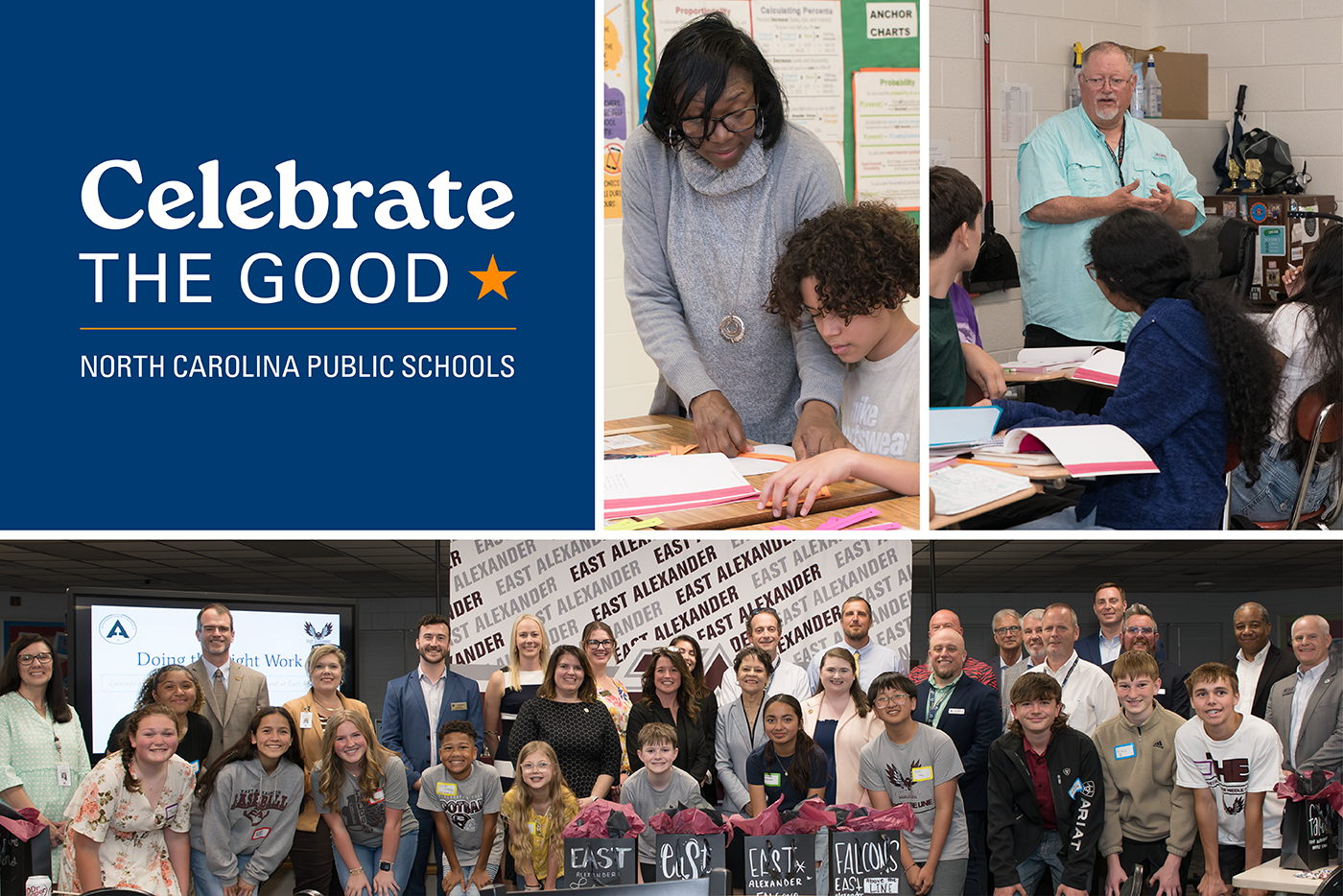
Preparing students for life after graduation begins long before they earn a diploma. In rural North Carolina, middle schools play a critical role in helping students build strong academic foundations, develop confidence and begin connecting classroom learning with careers. Through the Golden LEAF Schools Initiative, educators are strengthening school environments and classroom instruction, making these opportunities possible.
The Golden LEAF Schools Initiative is a five-year, $25 million investment made possible through funding from the Golden LEAF Foundation which supports school improvement and innovation in rural North Carolina middle schools. The initiative serves 19 schools through two cohorts: Transformative Schools (TS) and personalized, competency-based education (PCBE). While each school looks different, the goal is the same: ensure students have the support, skills and opportunities needed to thrive.
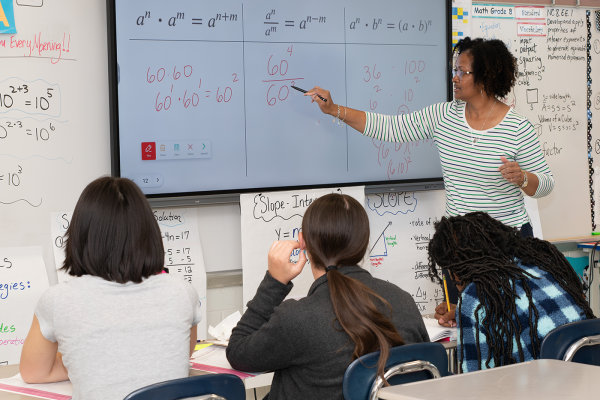
Through the TS cohort, educators use Marzano's High Reliability Schools framework to create safe, supportive and collaborative learning environments where students feel valued and teachers work together to improve instruction. That work is already producing results with seven schools in the TS cohort having earned High Reliability Schools Level 1 certification, recognizing their efforts to strengthen school culture and build systems that support continuous improvement. Simultaneously, teachers are implementing a new high-quality mathematics curriculum designed to move beyond memorization and help students make sense of mathematical concepts, explain their thinking and solve real-world problems. These skills transfer far beyond the math classroom.
Connecting mathematics learning with career exploration helps students understand how skills such as data analysis, critical thinking and problem solving apply across industries from health care and agriculture to engineering, technology and skilled trades.
Implementing a new curriculum requires sustained support. Throughout the first year, teachers and coaches worked to strengthen instructional routines and use evidence of student understanding to guide the next steps. Together, these efforts build a foundation for students to succeed in more advanced mathematics and pursue future education and career opportunities. For schools in the PCBE cohort, the work starts with a simple question: How can students better understand where they are in their learning and what comes next?
During the first year of implementation, schools developed and tested proficiency scales, which clearly describe what students should know and be able to do at each grade level for each subject. These tools -- combined with goal setting, self-assessment and consistent feedback -- help students take a more active role in their learning while giving teachers better information to support individual needs.
At Swain County Middle School, that shift is already taking shape in classrooms. Students take a more active role in setting goals, tracking progress and owning their learning
“The most meaningful impact is on our greatest investment, our students,” said Ryan McMahan, principal of Swain County Middle School. “They are setting goals, tracking their progress, reflecting on their understanding and identifying next steps toward success. With our teachers’ guidance and a school community that believes in them, students are building confidence and taking greater ownership of their learning.”
As students become more aware of their own learning, growth becomes more visible. Students can use clear learning expectations and feedback to understand their strengths and areas for growth. Teachers use evidence of student understanding to adjust instruction and provide additional support when needed. Along the way, students develop habits such as perseverance, self-reflection and problem solving that will serve them well in future careers.
“This work has been transformative for everyone in our building. Through the Golden LEAF Schools Initiative and our partnership with Marzano Resources, we are growing together as leaders, teachers and learners,” McMahan added. “Our teachers are doing remarkable things, transforming their classrooms into places where learning is purposeful and focused, instruction responds to individual needs and students take an active role in their success. This work builds on our strong school culture where relationships, collaboration and a shared commitment to students help everyone feel valued and supported.”
While schools in the two cohorts are taking different approaches, they are both working toward preparing students for future success. Throughout the first year, educators participated in professional learning, coaching and collaboration designed to strengthen instruction and support continuous improvement. Schools also had opportunities to learn from one another, sharing strategies and celebrating successes across the Golden LEAF network.
As the initiative moves forward, NCDPI staff and coaches from Marzano Resources will continue supporting schools as they implement, monitor and refine these practices. By embedding these practices into school improvement plans, leadership structure and teaching collaboration, schools are building systems that can sustain progress long after the initiative ends.
“The Golden LEAF Schools Initiative takes a whole school approach to improving student outcomes. We support school and district leaders in leading improvement while providing coaching for teachers, professional learning and instructional resources to respond to students’ needs,” said Rachel Wright Junio, director of Golden LEAF School Initiatives at the N.C Department of Public Instruction. "Our goal is to build schools’ capacity to sustain strong instruction so that students develop the academic foundation and skills they need for future education and careers."
Every student deserves the opportunity to graduate prepared for whatever comes next. By investing in supportive school cultures, strong mathematics instruction and learning experiences that encourage student ownership, the Golden LEAF Schools Initiative is helping rural middle school students develop the skills and confidence to pursue a wider range of possibilities for their futures.