
Whether she is talking about language, culture, family partnerships or student perspectives,
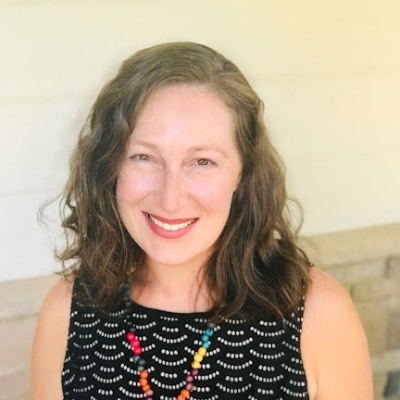
Audrey Vinson, an English language development specialist at New Hope Elementary School in Orange County, believes the attributes that make multilingual learners different are often the very things that help them succeed.
Vinson serves approximately 150 multilingual learners with a team of two other English Language Development specialists. She specifically works with kindergarten, first, fourth and fifth-grade students, pushing into classrooms to co-teach and working with small groups.
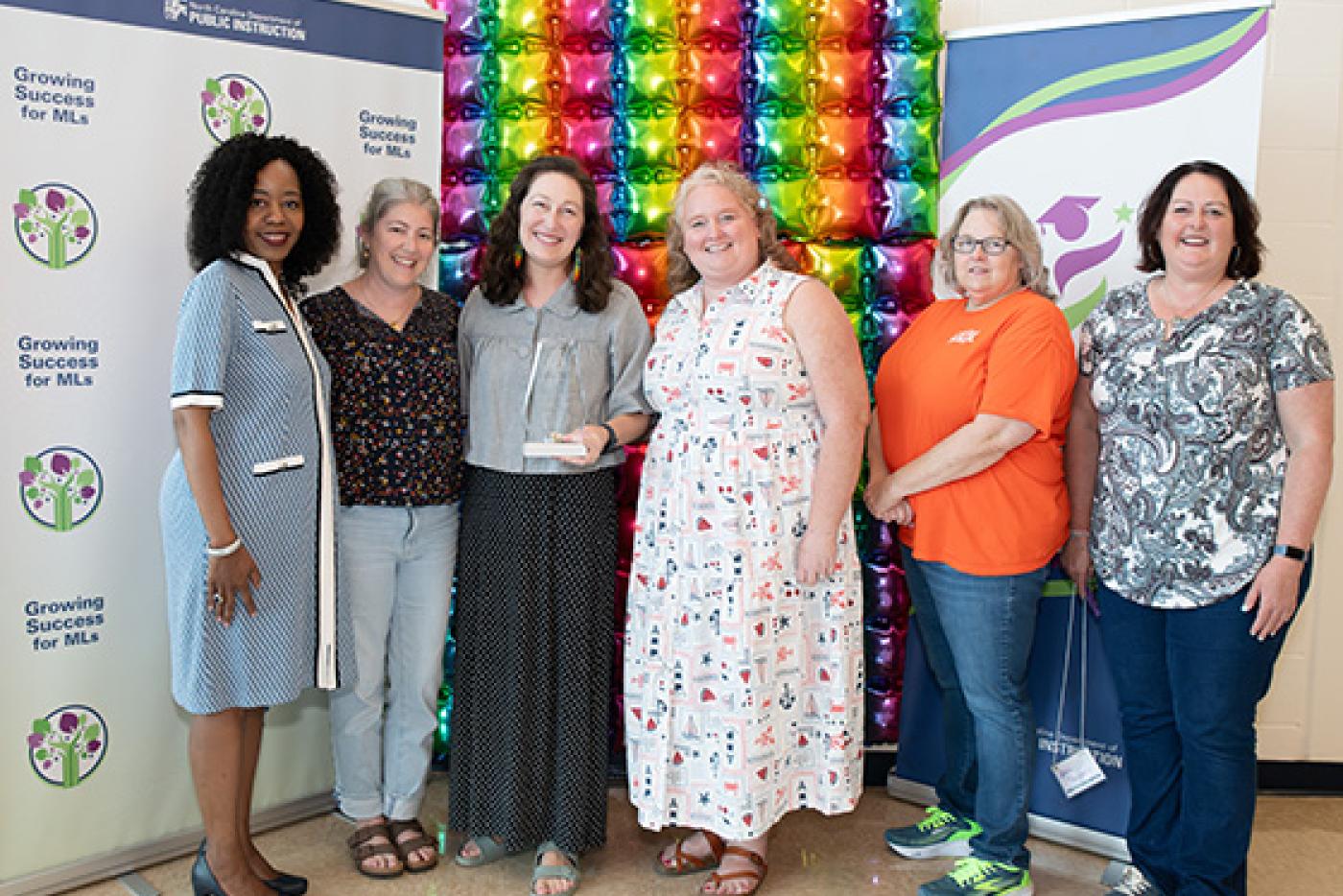
Vinson was recently recognized during the September 2026 State Board of Education (SBE) Meeting as the recipient of the 2026 English Learner Recognition Award (ERRA), which honors exceptional North Carolina public school ESL educators who advance the academic, linguistic and personal success of multilingual learners.
“Educators, like Audrey Vinson, advance NCDPI’s mission to become the best education system in the nation by 2030 through modeling excellent instructional leadership, strengthening colleagues’ practice through collaboration and developing partnerships with multilingual families,” said Dr. Stacy Daniel, NCDPI Section Chief for ELA and Languages. “Her efforts and the work of all language educators are worthy of celebration and reflect the very purpose of this award and our state's strategic plan.”
Influenced by a lifetime of experiences with different languages and cultures, Vinson has built a teaching philosophy that celebrates students' identities, brings learning to life through authentic experiences and helps multilingual learners discover their confidence.
“I think when students' backgrounds, their culture, their languages, are viewed as assets, and then integrated into the learning, it makes the learning more authentic and meaningful,” Vinson said. “Then, you can see a bigger impact in their engagement and desire to learn.”
Vinson grew up in Amherst, Mass., where she attended a school filled with classmates who spoke different languages and embodied different cultures. From this early age, she developed an appreciation for cultural and linguistic diversity.
“I've always had a passion for different languages and different cultures,” she said.
While studying internal development and hispanic studies at McGill University in Montreal, she spent a semester at the University of Guadalajara in Mexico.
“I rented a room from a family, and that was a great way for me to connect with the community,” Vinson added.
She experienced firsthand the challenge of learning in another language.
“I certainly grew from it, and that definitely gives me context for what some of my students are going through,” she said.
Those experiences became the foundation of her teaching philosophy, one that encourages students to recognize the strengths they already bring with them. Vinson’s ultimate measure of success is seeing her students build confidence. She understands the value of a student's voice, and wants them to know that they are seen and celebrated. Vinson notes the significance of “seeing students go from knowing very little English to being brave and able to participate in their classroom and discussions.”
At New Hope Elementary School, fifth-grade students spent nearly a month stepping into the role of engineers, researchers and problem-solvers through Vinson's hurricane project. Designed in collaboration with media specialist Jennifer Carson, and implemented alongside the fifth-grade team, the interdisciplinary unit challenged students to design hurricaneresistant structures while drawing connections across multiple subject areas.
“Students’ creative thinking and problem solving always amazes me,” Vinson said. “It’s always a joy to see students show they’re learning in unique ways.”
As students tested their designs and refined their solutions, they demonstrated not only their understanding of science concepts but also their ability to think critically and collaborate effectively.
"We launched the project by giving them a scenario of a community that has been affected by a hurricane," she said.
Students learn the science behind natural disasters while creating budgets, purchasing building materials and writing persuasive contractor bids.
"The students are super engaged with the project because they have a purpose for why they're doing all of this research, reading and writing their bids, and completing the math work."
Along the way, students develop English vocabulary in meaningful, authentic contexts. By connecting classroom lessons to real-life challenges, the project gives multilingual learners a purpose for skills they are developing and helps them recognize their multilingual experience as a workforce asset. For Vinson, that asset extends far beyond the classroom, shaping the kind of thinkers, communicators and leaders students can become.
“In the workforce, multilingual adults bridge critical communication gaps in all fields. Cognitively, growing up with multiple languages fosters exceptional problem-solving, flexible thinking and empathy, traits that I believe produce strong leaders in our community,” she said.
Vinson holds her multilingual learners to high standards, challenging them while providing meaningful support. She applies that same philosophy to educators while championing the idea that every teacher is a teacher of language, whether you have students who only speak one language, or a student who speaks four or five languages.
Vinson believes that every human is constantly expanding their vocabulary, phrasing their thinking in written form and learning how to express themselves most effectively. She encourages all teachers to approach language development as an essential part of their work while believing in the importance of collaboration among students, educators and families.
“Working as a team to ensure we're all focused on the growth of the students and using their different backgrounds, their language and culture, as assets, really helps the team work to grow the student.”